
This Sunscreen Mistake Is Causing Your Dark Spots
Trisha Chakraborty | Times Life Bureau | Dec 16, 2025, 13:30 IST

The SPF mistake behind stubborn dark spots
Image credit : Unsplash
Most people apply sunscreen daily yet still struggle with dark spots and uneven skin tone. The biggest reason is not the sunscreen itself but the way it’s used. Under-applying sunscreen, skipping reapplication, and choosing the wrong formula drastically weaken sun protection, leading to pigmentation over time. Even indoor light, windows, and missed areas like the neck and eyelids contribute to darkening. This article explains how incorrect SPF habits silently trigger pigmentation and offers dermatologist-approved tips to use sunscreen effectively. Fixing this one common mistake can significantly reduce dark spots and keep your skin bright, even, and healthy.
Sunscreen is often hailed as the ultimate skincare essential your shield against wrinkles, tanning, ageing and, of course, pigmentation. Yet, despite using sunscreen daily, many people still struggle with stubborn dark spots, uneven tone, and dull patches. The surprising truth? It’s not always the product that’s failing you; it’s the way you’re using it. There is one common sunscreen mistake that dermatologists repeatedly warn against, yet most people continue to overlook it: not applying enough sunscreen and not reapplying it on time.
Pigmentation is a tricky skin concern. It doesn’t appear overnight; it slowly builds up when your skin is repeatedly exposed to UV rays without proper protection. Even a few minutes of unprotected exposure like standing near a window, walking to your car, or sitting in the sun during lunch—can activate melanin production. So if your sunscreen isn’t applied correctly or consistently, your skin pays the price.
![Why under-applying sunscreen leads to pigmentation]()
Most people apply only 20–30% of the amount of sunscreen needed for full protection. Dermatologists universally recommend the “two-finger rule”: squeeze sunscreen along the length of two fingers to cover your face and neck adequately. But here’s the catch—almost no one actually does this. When you apply a pea-sized amount or just a thin layer, your SPF 50 suddenly acts more like SPF 10 or 15. This means harmful UV rays can pass through, leading to tanning, pigmentation, and premature ageing.
Even those who use high-quality sunscreens often dilute its power by under-applying it, unknowingly giving their skin far less defense than the label promises.
Another major mistake is forgetting to reapply sunscreen every 2 to 3 hours. SPF isn’t a “once-a-day” product. Sweat, heat, humidity, oils, and even your own hand movements break it down throughout the day. By afternoon, your morning sunscreen is barely offering any protection, especially in Indian weather.
Pigmentation-prone areas like the upper cheeks, forehead, nose, and upper lip get the most sun exposure, so skipping reapplication makes these areas even more vulnerable. Makeup users often assume they’re protected all day because they applied SPF under foundation in the morning. Unfortunately, UV rays don’t care about your makeup; they penetrate through, and without a top-up SPF mist, stick, or powder, pigmentation continues to worsen.
A very common misconception is that sunscreen is only needed when you step outside. However, UV rays easily pass through windows. If you spend long hours near a window at home, in the office, or while driving, you’re still exposed to UVA rays that are the primary cause of pigmentation.
Even indoor lights, especially LEDs and blue light from screens, contribute to melasma and dark spots. This is why dermatologists advise wearing sunscreen every single day, even indoors.
![Reapplying sunscreen: the secret to even skin tone.]()
Choosing the wrong sunscreen is also a hidden contributor to pigmentation. For example, oily skin needs a gel-based, non-comedogenic sunscreen, while dry skin needs a hydrating cream formula with ceramides or hyaluronic acid. Pigmentation-prone skin benefits from sunscreens with iron oxides that protect against visible light.
If your sunscreen triggers acne or feels greasy, you’re more likely to skip it or apply less than needed, again reducing protection. Selecting a formula that suits your skin type ensures you use it consistently and generously.
Applying sunscreen in a rush and rubbing it aggressively like a moisturizer can reduce its effectiveness. Some modern sunscreens, especially mineral ones, need to be applied evenly without over-rubbing so they form a uniform protective layer. When you rub too much, you inadvertently thin out the product, causing patchy protection and, ultimately, uneven tanning and dark spots.
Pigmentation on the neck, under the eyes, or on the sides of the face is becoming increasingly common. These areas are often ignored during SPF application. The skin here is thinner and more sensitive, making it even more prone to darkening. Applying sunscreen thoroughly, including the neck, ears, eyelids, and hairline, creates a uniform shield that prevents selective darkening.
To actually see a difference in your dark spots and overall skin tone, follow these dermatologist-approved habits: apply two fingers worth of sunscreen for face and neck, reapply every 2 to 3 hours, especially if outdoors, use a sunscreen with SPF 30 or higher and PA++++ for strong UVA protection, choose a formula suited to your skin type to ensure consistent use, apply evenly without rubbing away the product, don’t skip eyelids, neck, ears, and hands, and use tinted sunscreens with iron oxides if you’re prone to melasma.
When used correctly, sunscreen becomes your strongest defense against pigmentation, not just a skincare step but a daily ritual that preserves your skin’s natural clarity.
![Protect your skin daily for fewer dark patches]()
Dark spots don’t just appear because of ageing; they form because of repeated sun exposure and an inconsistent SPF routine. You may be using sunscreen daily, but if you're not applying enough, not reapplying, or choosing the wrong formula, you’re unknowingly giving pigmentation the perfect opportunity to develop. By correcting this single, extremely common sunscreen mistake, you can dramatically slow down tanning, reduce dark patches, and maintain brighter, healthier, and more even-toned skin over time.
Pigmentation is a tricky skin concern. It doesn’t appear overnight; it slowly builds up when your skin is repeatedly exposed to UV rays without proper protection. Even a few minutes of unprotected exposure like standing near a window, walking to your car, or sitting in the sun during lunch—can activate melanin production. So if your sunscreen isn’t applied correctly or consistently, your skin pays the price.
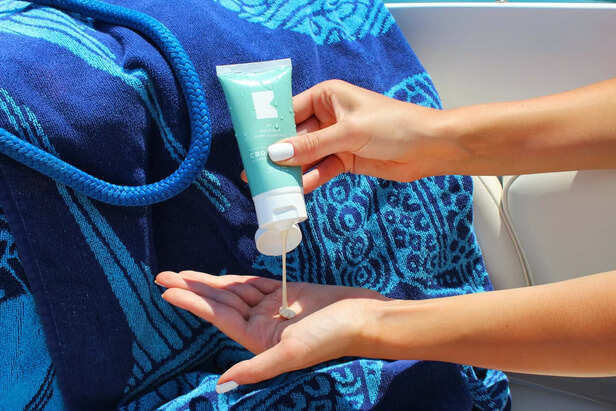
Why under-applying sunscreen leads to pigmentation
Image credit : Unsplash
The Real Culprit: Under-Applying Sunscreen
Even those who use high-quality sunscreens often dilute its power by under-applying it, unknowingly giving their skin far less defense than the label promises.
Why Reapplication Matters More Than You Think
Pigmentation-prone areas like the upper cheeks, forehead, nose, and upper lip get the most sun exposure, so skipping reapplication makes these areas even more vulnerable. Makeup users often assume they’re protected all day because they applied SPF under foundation in the morning. Unfortunately, UV rays don’t care about your makeup; they penetrate through, and without a top-up SPF mist, stick, or powder, pigmentation continues to worsen.
Windows and Indoor Light Also Cause Damage
Even indoor lights, especially LEDs and blue light from screens, contribute to melasma and dark spots. This is why dermatologists advise wearing sunscreen every single day, even indoors.

Reapplying sunscreen: the secret to even skin tone.
Image credit : Unsplash
Not Using the Right Sunscreen for Your Skin Type
If your sunscreen triggers acne or feels greasy, you’re more likely to skip it or apply less than needed, again reducing protection. Selecting a formula that suits your skin type ensures you use it consistently and generously.
Rubbing Sunscreen Instead of Patting It
Not Applying Sunscreen on the Neck and Around the Eyes
How to Use Sunscreen Correctly to Prevent Pigmentation
When used correctly, sunscreen becomes your strongest defense against pigmentation, not just a skincare step but a daily ritual that preserves your skin’s natural clarity.

Protect your skin daily for fewer dark patches
Image credit : Unsplash